

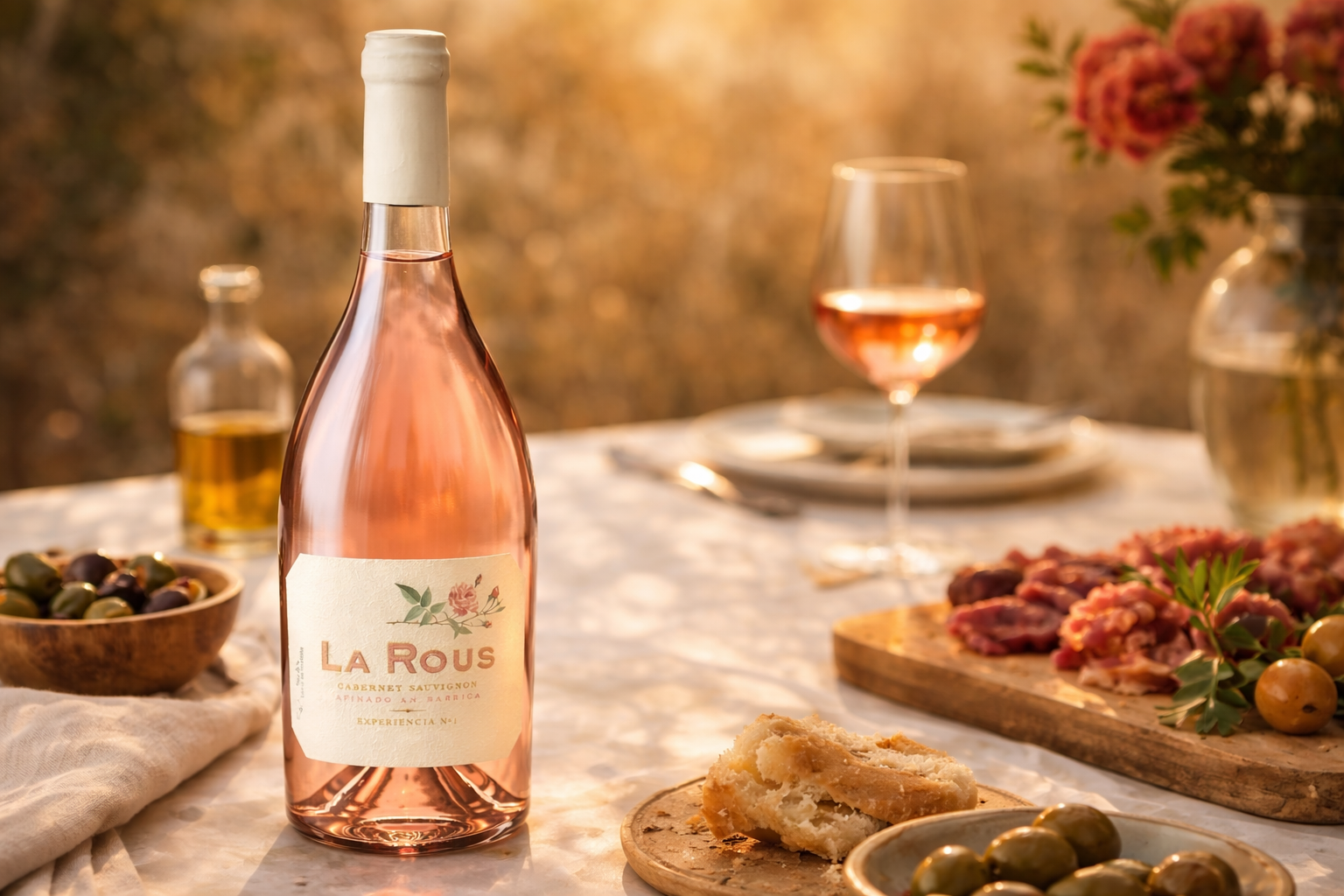
For a long time, rosé wine was considered a lesser wine. Neither red nor white. Something in between.
However, in recent years, rosé has undergone a true revolution. Today, it is one of the most appreciated wines in modern gastronomy and in many high-end restaurants.
Light, aromatic, and surprisingly versatile, rosé wine has gone from being a seasonal wine to becoming a true symbol of the Mediterranean lifestyle.
What rosé wine really is
Rosé wine is made from red grapes, but with very brief contact between the must and the grape skins.
It is precisely this short contact that gives the wine its characteristic pink color, which can vary from a very pale shade to a more intense pink.
This process allows for a fresh and elegant wine, with the aromatic complexity of red grapes but with the lightness of a white wine.
The aromas that make rosé unique
One of the great attractions of rosé wine is its aromatic profile.
Notes of:
- Strawberry
- Raspberry
- Cherry
- Pomegranate
- Delicate flowers
- Fresh citrus
This combination of aromas makes it an extremely pleasant and easy-to-enjoy wine.
When to drink rosé wine
Rosé is probably one of the most versatile wines available.
It works perfectly for:
- Appetizers
- Outdoor meals
- Casual dinners
- Summer and spring
Served slightly chilled, around 8–10 °C, it becomes a refreshing and elegant wine.
What food it pairs best with
Rosé is a great culinary ally because it pairs with an enormous variety of dishes.
It pairs especially well with:
- Iberian ham
- Mild cheeses
- Fish
- Seafood
- Rice dishes
- Mediterranean cuisine
That's why more and more chefs are using it as an accompanying wine in tasting menus.
Productos recomendados



Share:
The 7 best gourmet gifts to make you feel like a king
The True Italian Espresso: A Ritual that is part of Italian culture