

From the origin of the bean to its roasting, discover the secrets to identifying quality coffee.
Choosing a good coffee may seem simple, but behind each cup there is a world of details that make the difference between an ordinary drink and an exceptional experience. Here are the key factors to identify a quality coffee:
-
The Origin of Grain:
The location of the coffee is directly influenced by its flavor profile. Regions such as Ethiopia, Colombia, and Brazil are known for producing beans with unique characteristics thanks to their climate, altitude, and cultivation techniques. For example, an Ethiopian coffee offers floral and fruity notes, while a Colombian coffee is usually smooth and balanced with bright acidity. -
The Type of Grain:
Always choose high-quality Arabica varieties or blends with Robusta. Arabica stands out for its complexity and balanced acidity, while Robusta adds body and strength, making it ideal for intense espressos. -
The Level of Roasting:
Roast defines the character of the coffee. A light roast brings out fruity notes, ideal for filter methods. A medium roast balances acidity and sweetness, while a dark roast intensifies chocolate and spice flavors, perfect for espressos. -
The Freshness:
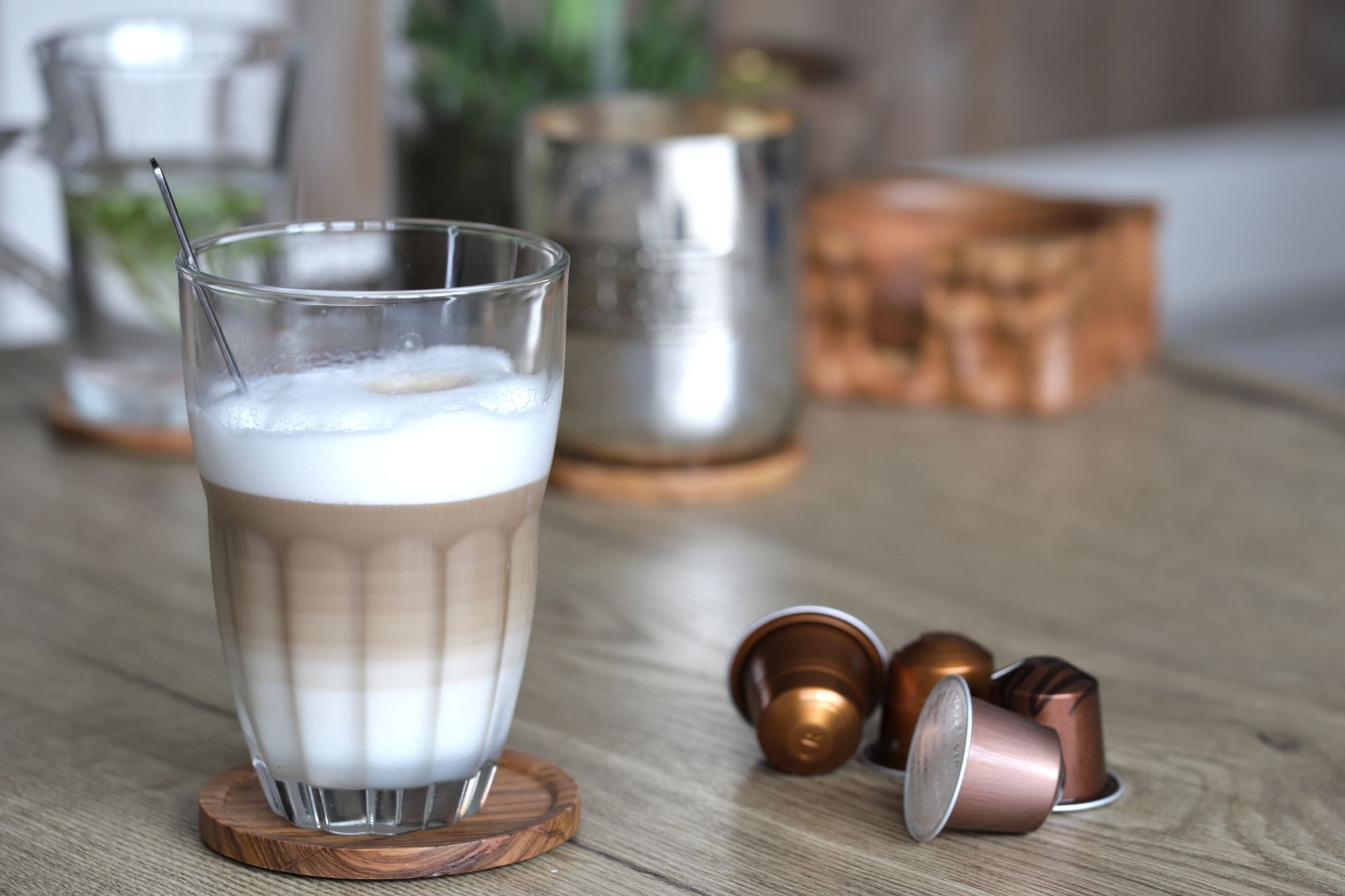
Fresh coffee is essential for a full aromatic experience. Opt for packaging with one-way valves to preserve freshness and avoid buying coffee that has been ground for a long time. -
The Preparation Method:
Make sure you choose a coffee that suits your preferred method. Whether it's a French press, a moka pot, or an espresso machine, the type of bean and the grind level will make a difference.
In the 18th century, coffee was so coveted that it became a strategic asset for the great European powers, who competed to control plantations in Asia, Africa and America.
At God Save The Coffee, we make sure to select coffees that meet the highest quality standards, so that every cup is an unforgettable experience. Because we know that good coffee starts with a good choice.
Share:
Antonio Salvatore: Innovation and Tradition at the Rampoldi Restaurant
Bocca della Verità: The New Official Coffee of the Italian Cycling Federation 🚴☕