
When we think of coffee, most people imagine the delicate aroma of Arabica or the intense strength of Robusta. But did you know that Robusta coffee contains almost twice as much caffeine as Arabica ? Today, we explore the scientific, cultural, and sensory reasons behind this difference.
Botanical differences between Arabica and Robusta
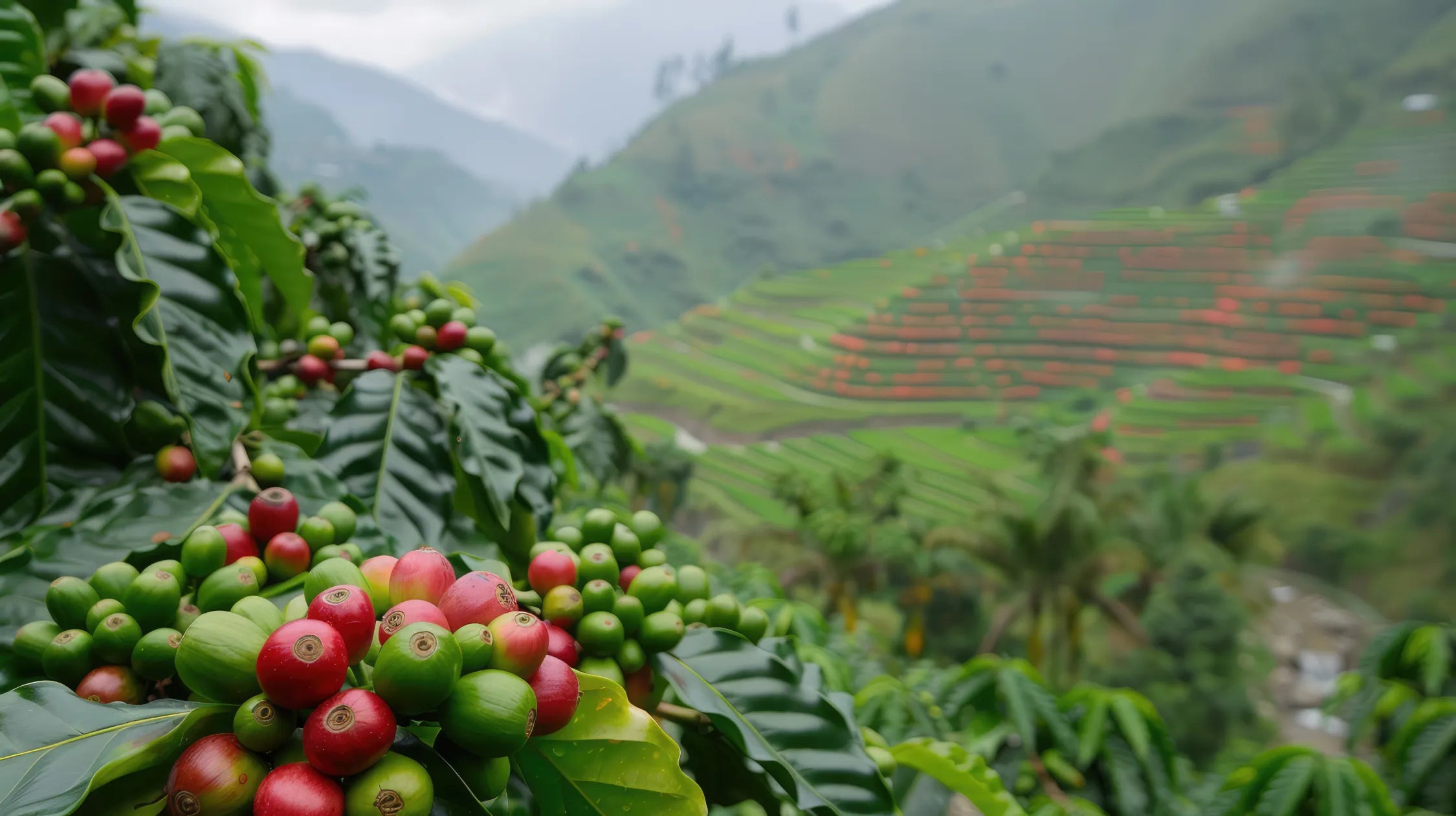
Coffea arabica grows at high altitudes, with cool climates and rich soils. Its bean is more delicate, less resistant to pests, and therefore naturally produces less caffeine (between 1% and 1.5%).
Coffea canephora (Robusta), on the other hand, thrives in low, humid areas where pests are more common. To defend itself, the plant produces more caffeine, acting as a natural pesticide. Robusta beans contain between 2% and 2.7% caffeine .
🔗 Studies like this one published in NCBI confirm the protective role of caffeine in Robusta, key to its natural resistance.
 The impact of caffeine on flavor and body
More caffeine means more energy… but also more intensity in your cup. Robusta provides:
- Pronounced bitterness and earthy or cocoa notes.
- Greater body and cream in espresso, thanks to its texture.
- More powerful stimulating effect , ideal for those looking for a strong coffee that really wakes you up.
That's why many Italian blends mix Robusta with Arabica: a perfect balance between aroma, body and energy .
Discover 3 Bocca della Verità blends with Robusta profile:
-
Blend HERMES – 10% Arabica / 90% Robusta
Ideal for lovers of intensity. With a full body, marked persistence, and unforgettable energy. -
Blend OMERO – 30% Arabica / 70% Robusta
A perfect balance of power and elegance. Spicy, nutty flavors with a long finish. -
Blend I LOVE ROME – 50% Arabica / 50% Robusta
A sensorial journey to the Eternal City. Enveloping aroma, balanced sweetness, and gentle acidity.
 Science and culture: what the research says
Caffeine is not only a stimulant; it also influences health and performance. An analysis shows how the higher caffeine content in Robusta impacts blood pressure and resistance to fatigue.
This explains why coffee-growing cultures such as Italy and Vietnam have adopted Robusta as the basis of their tradition: a stronger, longer-lasting, and more authentic coffee.
Who is Robusta best for?
-
Those looking for more physical and mental stimulation .
-
Espresso lovers with dense crema and strong flavor.
-
Hospitality professionals looking for cost-effective, potent coffee.
So… Robusta or Arabica?
It's not about choosing one or the other, but rather discovering how they complement each other. Arabica provides elegance, smoothness, and fruity notes; Robusta provides strength, body, and caffeine.
The next time you enjoy your Bocca della Verità espresso, remember: the intensity and crema that characterize it are due, in part, to the magic of Robusta .
Share:
Energy with Café Hermes
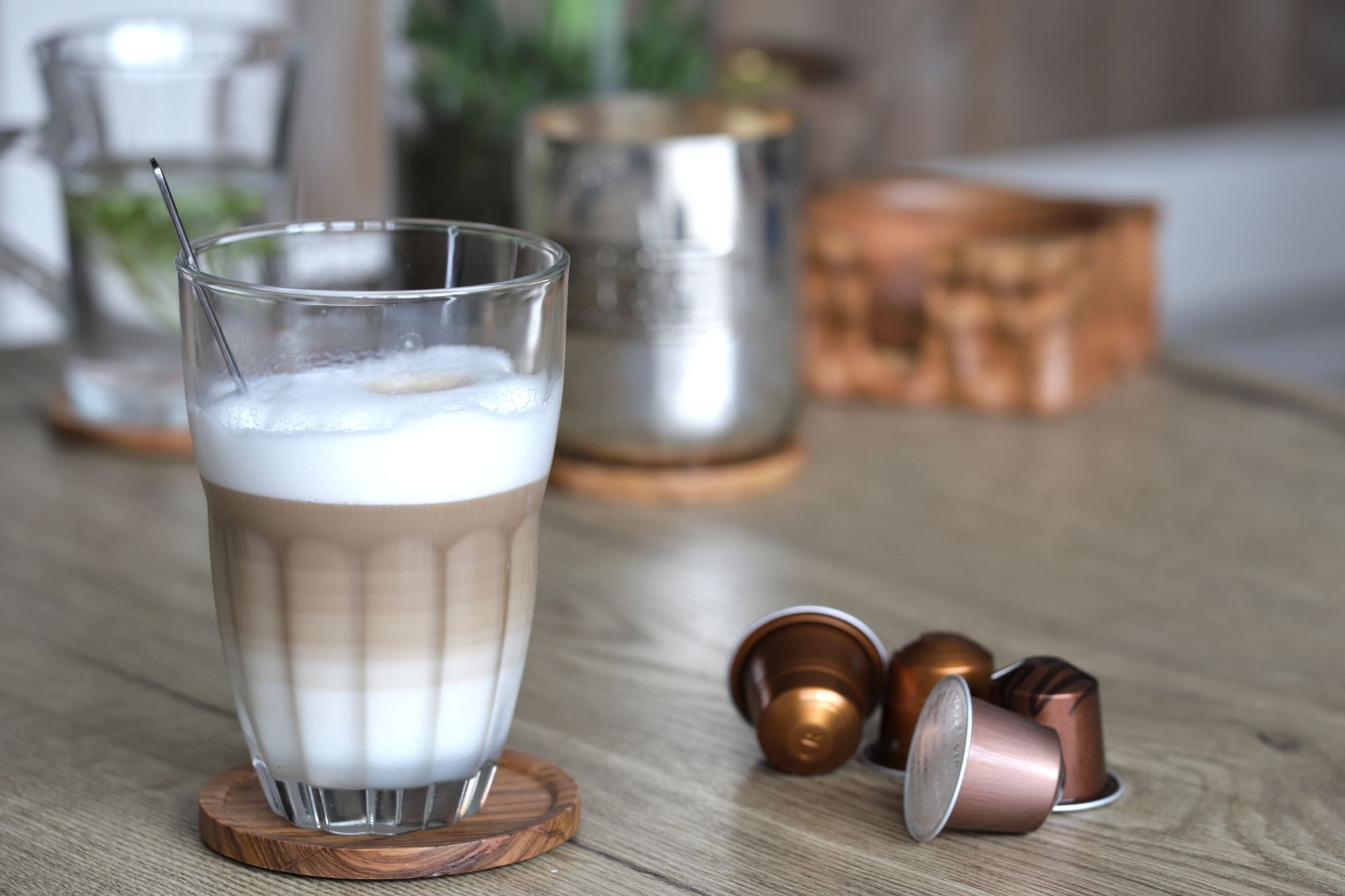
Best tasting Nespresso compatible capsules