

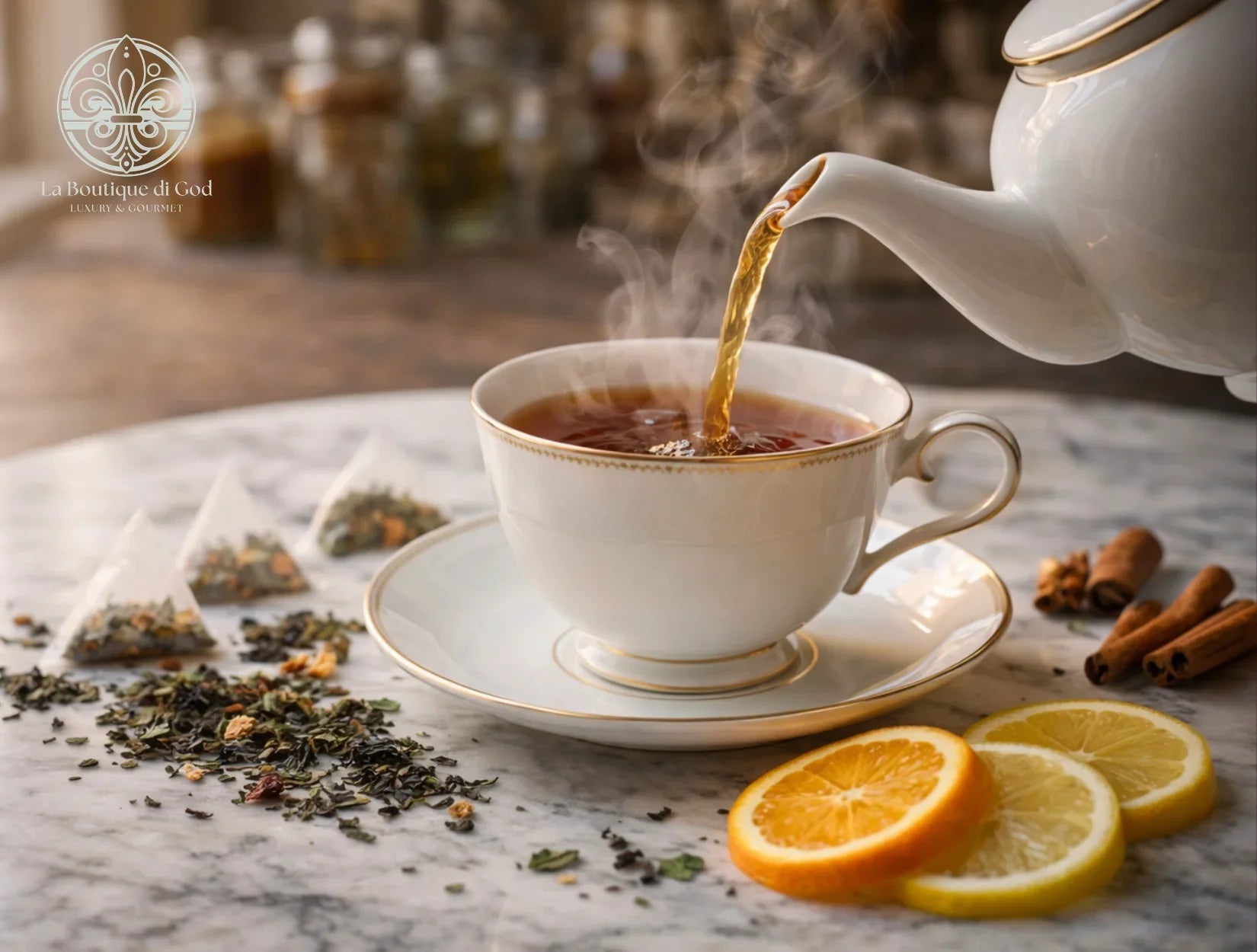
The world of tea is vast, aromatic, and full of nuances. For those beginning to discover it, choosing a good tea can seem like a complicated task. However, when some key details are known, recognizing a quality infusion becomes an exciting experience.
Just like with coffee or wine, behind every good tea there is an origin, a production process, and a balance of aromas that transform each cup into a small moment of pleasure.
In this guide, you will discover how to identify a good tea and what aspects to consider to enjoy a truly special infusion.
The origin of tea: the basis of its character
One of the first aspects that defines the quality of a tea is its origin. The best leaves usually come from regions with a long tradition in tea cultivation, where the climate, altitude, and soil directly influence the flavor.
Countries like China, India, Japan, and Sri Lanka produce some of the most prized teas in the world. Each region contributes distinct nuances: some teas are more floral, others more intense or slightly sweet.
Knowing the origin allows for a better understanding of the infusion's character and an appreciation of its peculiarities.
The quality of the leaves
A good tea is usually made with whole or lightly fragmented leaves. When we observe the tea before preparing it, we can appreciate its shape, color, and texture.
Quality leaves maintain their structure and, when infused, slowly unfold, releasing their aromas and flavors.
In contrast, lower quality teas are often composed of very small particles or tea dust, which produces a less aromatic infusion with fewer nuances.
The aroma before infusion
A detail that many tea lovers value is the aroma of dry leaves. Even before adding hot water, a good tea already reveals aromatic notes that anticipate the experience.
It can present floral, spicy, citrusy, or slightly toasted nuances. This first contact with the aroma is a clear sign of the tea's richness and quality.
The color and body of the infusion
When the tea is prepared correctly, the infusion acquires a clean and bright color.
Black teas usually show amber or reddish tones, green teas lighter and more delicate nuances, while some infusions with fruits or flowers can offer more vibrant colors.
The flavor should be balanced and pleasant, without being excessively bitter or too flat.
The art of blending
In addition to pure teas, there are carefully crafted blends that combine tea leaves with fruits, spices, or flowers.
These combinations allow for the discovery of very interesting aromatic profiles: citrusy notes that provide freshness, spices that add depth, or flowers that soften the overall flavor.
A good blend always maintains the balance between the ingredients so that no single aroma dominates over the others.
Productos recomendados


Share:
Flamigni: the story of Italian artisan pastry since 1930
The art of gifting on Father's Day: moments to savor